

Choosing the right type of forklift can significantly impact your warehouse operations, operational costs, and environmental footprint. Two of the most common options on the market are electric and gas-powered forklifts. While both have their strengths, the best choice depends on your specific business needs, environment, and long-term goals.
In this post, we’ll break down the pros and cons of each type to help you make an informed decision.
Electric Forklifts
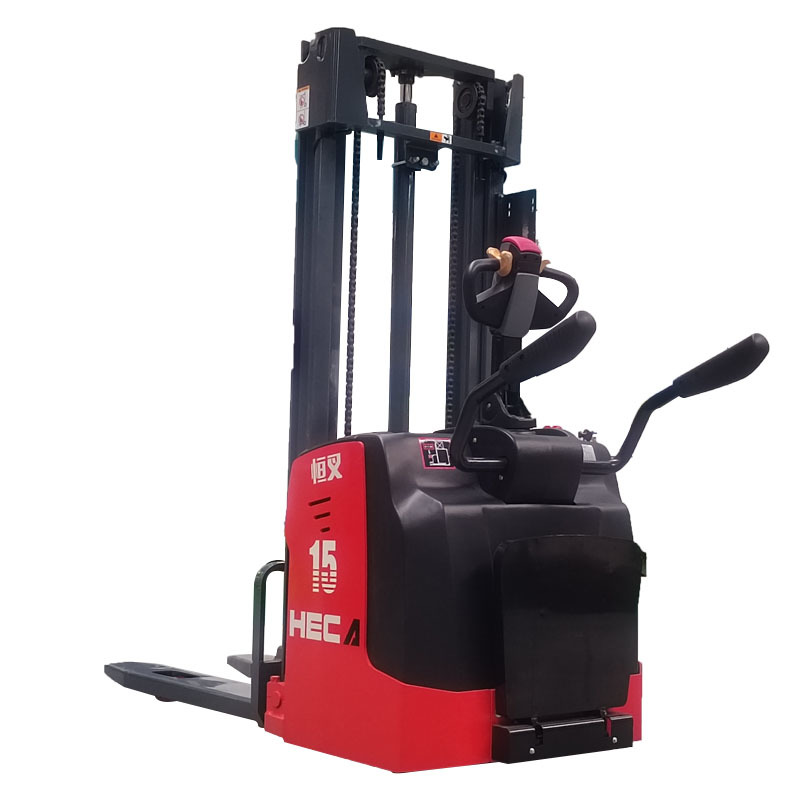
Electric forklifts are powered by rechargeable batteries, typically lead-acid or lithium-ion. These are especially popular in indoor settings like warehouses, distribution centers, and manufacturing facilities.
Pros of Electric Forklifts:
- Environmentally Friendly: Zero emissions make them ideal for indoor use and eco-conscious companies.
- Quieter Operation: Reduced noise levels contribute to a more pleasant work environment.
- Lower Operating Costs: Electricity is generally cheaper than fuel, and electric models have fewer moving parts, leading to less maintenance.
- Compact Design: Electric forklifts often have a smaller turning radius, making them easier to maneuver in tight spaces.
Cons of Electric Forklifts:
- Higher Upfront Cost: The initial investment can be higher than gas models.
- Charging Downtime: Batteries require hours to recharge unless you have a battery-swapping system in place.
- Limited Outdoor Use: Wet or rough terrain can pose challenges for electric models.
Gas Forklifts
Gas forklifts typically run on propane (LPG), diesel, or gasoline. They’re more common in outdoor or mixed environments where power and durability are key.
Pros of Gas Forklifts:
- Higher Power Output: Better suited for heavy lifting and steep inclines.
- Quick Refueling: Unlike electric forklifts, gas models can be refueled in minutes, reducing downtime.
- Versatility: Can operate in indoor and outdoor environments (note: proper ventilation is needed indoors).
- Lower Initial Cost: Gas forklifts are often cheaper upfront compared to electric counterparts.
Cons of Gas Forklifts:
- Higher Fuel Costs: Fuel prices can fluctuate and add up over time.
- More Maintenance: Combustion engines have more parts that require regular maintenance.
- Emissions: Gas-powered forklifts produce exhaust fumes, making them less ideal for indoor environments.
Choosing What’s Right for You
When deciding between electric and gas forklifts, consider the following questions:
- Where will the forklift operate most?
- Indoors: Electric is often the better choice.
- Outdoors or mixed: Gas may offer the performance you need.
- How often will it be used?
- Frequent, heavy-duty use: Gas forklifts are built for endurance.
- Moderate, routine tasks: Electric forklifts can meet daily warehouse needs efficiently.
- What’s your budget?
- Short-term: Gas forklifts are less expensive upfront.
- Long-term: Electric models save on fuel and maintenance.
- What are your sustainability goals?
- If reducing emissions is a priority, electric forklifts are a clear winner.
Conclusion
Both electric and gas forklifts offer unique benefits. Electric forklifts are clean, quiet, and cost-effective in the long run, making them ideal for indoor operations. Gas forklifts, on the other hand, provide power, durability, and quick refueling — perfect for heavy-duty or outdoor work.
Ultimately, the right choice depends on your specific operational demands. Evaluate your working environment, budget, and long-term goals to determine which forklift type will keep your business moving forward.